
PART 1: The World's First Camera;
1. What is a Camera Obscura? Explain.
2. How does it work? Explain
3. How did people use this camera? Explain.
4. How did it change the world when it was created? Explain.
5. How did it lead to the modern day camera? Explain.
6. What type of images were captured by the Camera Obscura? Explain.
7. How did one keep an image from a Camera Obscura? Explain.
OBJECTIVE: Students will research the history of the first camera, and camera obscura.
On the wall opposite to the hole, an image is formed of whatever is outside; this image is turned upside down. The size of the hole has a great effect on the picture that is being projected. A small hole produces a sharp dim image; while a large hole produces a brighter, more focused picture.
In the 16th century, camera obscuras became an essential aid to artists who used them to create drawings with perfect perspective and accurate detail. Portable camera obscuras were then later made for this purpose.
PART 5: Changes In The Camera
1. What does the addition of bellow to the camera body allow the photographer to do?
2. How does the lens being able to adjust how much light is allowed into the camera affect the image? Why was this a good thing?
3. How does the size of the camera change over time and how does it affect the way images are captured?
4. What allowed for cameras to become smaller?
.
PART 3: Plates; Wet vs. Dry
1. Cameras used plates to capture the image they took, which material used as the plate? Explain
2. What does it mean if it is a wet-plate? Explain what is it.
3. Did dry plates require a different processing method then wet plates? Explain.
4. What was the value/benefit of using a wet place vs a dry plate? Explain.
5. How did one travel or take location shots with wet plates? Explain
PART 2: The Race To The Modern Camera:
1. Which camera is considered the father of all modern-day cameras? Explain.
2. What was so special about this camera? What did it do that was so unique? Explain
3. What did it take to process the image this camera took? Explain.
4. What all did this camera kit entail when you bought it? Explain.
5. What type of film did this camera use or did it use to film at all? Explain
6. What was the camera made out of? Explain.
7. Was it easy to use? Was it for everybody? Explain
8. Why was it a race to be the first modern day camera?
PART 4: Stereo Photography
1. What is Stereo Photography? Explain
2. How are Stereo Photography mounted? Explain
3. What child toy came out of Stereo Photography? How did it come out & what image were used for it.
4. What does the cameras, that capture the image of S.P, look like? Explain.
5. How are they different from regular cameras? Explain.
Heavy glass well- collodion plates. Every time you decided to take a picture, you'd have to set up your darkroom tent, prepare a glass plate, then expose & develope the plate while it was stull wet.
It's a plate in which has been soaked in a mixture of raw cotton, which has been treated with nitric & sulfuric acid, dissolved in ether & alcohol. With a little of iodide and bromide.
PART 6: How Did Photography Change The Way We See The World
1. What were the first images ever taken by a camera? Why was the subject matter probably chosen?
2. As the camera got smaller & easier to carry, what did we start documenting?
3. How did photography ease the pain of loss for families?
4. What is Death Photography? What different kinds of Death Photography are there?
5. What weird thing did some photographers do to the subjects in their death portraits to make them look alive?
6. How was photography look upon in its infancy?
7. How did the way photography looked change over time? Who helped change how it was seen earlier?
8. How is photography seen today?
.
"They would mount in circular discs and resolve through an inexpensive handheld viewer." - Camera; A History Of Photography From Daguerreotype To Digital
"The View-Master was introduced a year later and has been available as a children's device ever since" - Camera; A History Of Photography From Daguerreotype To Digital


PART 7: Camera Inventions
1. Who created the Polariod Camera?
2. When was the first Polariod camera made?
3. What size was the picture & how long did it take to develop?
4. Who created one of the first spy cameras?
5. What major camera company then created a better Spy Camera?
6. What shapes did Spy Cameras take on over the years?
7. How many well known Spy Cameras are there?
8. What is the best known Spy Camera?
9. What is a bellow & how does it work?
10. In 1906 which camera was marketed to kids & why?
11. Who was Kodaks' biggest competitor in the early 1900's?
.
PART 8: Photographers Throughout Time
> Find 15 different artists (1839-1950). and give me two examples of the artist's work


1. Who is the artist?
2. When did they take the picture?
3. What type of camera did they use?
4. What type of photography print is it?
5. When you look at the image what do you see?
6. What value does society put on this image?
7. Why did you pick this artist and this image?
8. What value do you put on this image?
Jean Baptiste Sabatier Blot
The Kodak invented by George Eastman. -" Camera; A History Of Photography From Daguerreotype To Digital."
The camera was special because it was one of the first cameras and later to be the first modern camera with roll film. - Camera; A History Of Photography From Daguerreotype To Digital


The camera kit came with the Kodak Camera and some transparency film. - Camera; A History Of Photography From Daguerreotype To Digital
The camera used transparency film. - Camera; A History Of Photography From Daguerreotype To Digital
Yes it was quite easy to use. This camera was soon used by everyone.. - Camera; A History Of Photography From Daguerreotype To Digital
"They have two scopes instead of one like regular cameras.- Camera; A History Of Photography From Daguerreotype To Digital


Under picture --->
"The Photographer's Daughter & A Woman" (!850 )
"Portrait Of Daguerre"
(1844)
For the first picture a man who seems to be very rich & sophisticated.
For the second one a little girl & guessing her mom.
1. Who is the artist?
2. When did they take the picture?
3. What type of camera did they use?
4. What type of photography print is it?
5. When you look at the image what do you see?
6. What value does society put on this image?
7. Why did you pick this artist and this image?
8. What value do you put on this image?
Alvin Langdon Coburn
1. Who is the artist?
2. When did they take the picture?
3. What type of camera did they use?
4. What type of photography print is it?
5. When you look at the image what do you see?
6. What value does society put on this image?
7. Why did you pick this artist and this image?
8. What value do you put on this image?
1. Who is the artist?
2. When did they take the picture?
3. What type of camera did they use?
4. What type of photography print is it?
5. When you look at the image what do you see?
6. What value does society put on this image?
7. Why did you pick this artist and this image?
8. What value do you put on this image?
1. Who is the artist?
2. When did they take the picture?
3. What type of camera did they use?
4. What type of photography print is it?
5. When you look at the image what do you see?
6. What value does society put on this image?
7. Why did you pick this artist and this image?
8. What value do you put on this image?
Julia Margaret Cameron
Eadweard Muybridge
Edward S. Curtis
1. Who is the artist?
2. When did they take the picture?
3. What type of camera did they use?
4. What type of photography print is it?
5. When you look at the image what do you see?
6. What value does society put on this image?
7. Why did you pick this artist and this image?
8. What value do you put on this image?
Edward Weston

Freddy Could
(1866)

The Turtle Doves
(1864)
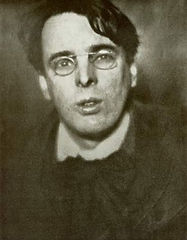

William Butler
(1910)
Bernard Sahw
(1908)


1. Who is the artist?
2. When did they take the picture?
3. What type of camera did they use?
4. What type of photography print is it?
5. When you look at the image what do you see?
6. What value does society put on this image?
7. Why did you pick this artist and this image?
8. What value do you put on this image?
1. Who is the artist?
2. When did they take the picture?
3. What type of camera did they use?
4. What type of photography print is it?
5. When you look at the image what do you see?
6. What value does society put on this image?
7. Why did you pick this artist and this image?
8. What value do you put on this image?
1. Who is the artist?
2. When did they take the picture?
3. What type of camera did they use?
4. What type of photography print is it?
5. When you look at the image what do you see?
6. What value does society put on this image?
7. Why did you pick this artist and this image?
8. What value do you put on this image?
1. Who is the artist?
2. When did they take the picture?
3. What type of camera did they use?
4. What type of photography print is it?
5. When you look at the image what do you see?
6. What value does society put on this image?
7. Why did you pick this artist and this image?
8. What value do you put on this image?
1. Who is the artist?
2. When did they take the picture?
3. What type of camera did they use?
4. What type of photography print is it?
5. When you look at the image what do you see?
6. What value does society put on this image?
7. Why did you pick this artist and this image?
8. What value do you put on this image?
1. Who is the artist?
2. When did they take the picture?
3. What type of camera did they use?
4. What type of photography print is it?
5. When you look at the image what do you see?
6. What value does society put on this image?
7. Why did you pick this artist and this image?
8. What value do you put on this image?
1. Who is the artist?
2. When did they take the picture?
3. What type of camera did they use?
4. What type of photography print is it?
5. When you look at the image what do you see?
6. What value does society put on this image?
7. Why did you pick this artist and this image?
8. What value do you put on this image?
1. Who is the artist?
2. When did they take the picture?
3. What type of camera did they use?
4. What type of photography print is it?
5. When you look at the image what do you see?
6. What value does society put on this image?
7. Why did you pick this artist and this image?
8. What value do you put on this image?
1. Who is the artist?
2. When did they take the picture?
3. What type of camera did they use?
4. What type of photography print is it?
5. When you look at the image what do you see?
6. What value does society put on this image?
7. Why did you pick this artist and this image?
8. What value do you put on this image?
Daguerreotype
Daguerreotype
I see two different men, one is obviosuly younger than the other.
Carbon Print
Calotype


Cheyenne Girl
(?)
?
(?)
?
(?)
?
(?)
Albumen & Kallitype

Mexican Toys
(1925)
Knees
(1927)

Click on images to expand!

Paul Strand
Dorothea Lange
(?)
Blind
(?)


Walker Evans
?
(?)
?
(?)
Daguerreotype & Albumen
Henry Peach Robinson


Fading Away
(1858)
Maude & Ethel Robinson
(?)
Oscar Gustave Rejlander


The Goddess Nicotina
(1856)
Severin Hower
(?)
Clementina Hawarden


?
(1864)
?
(1862)
Alice Boughton


Sand & Wild Roses
(1909)
Dawn
(?)
Joseph Keiley


Bishop Benjamin
(?)
Lenore
(?)
Frank Eugene


Minute
(1909)
Nude A Child
(1910)
F. Holland Day


Youth Sitting On A Stone
(1907)
Daguerreotype
Carbon Print
Tintype & Daguerreotype
Card Mounted & Daguerreotype
Carbon Print
Carbon Print
Daguerreotype
Tintype
Tintype / Daguerreotype
Under picture --->
Under picture --->
Under picture --->
Under picture --->
Under picture --->
Under picture --->
Under picture --->
Under picture --->
Under picture --->
Under picture --->
Under picture --->
Under picture --->
Under picture --->
Under picture --->
For the first picture a woman dancing in multiple pictures, for the second one a man chasing someone riding a horse.
The both images are of little girls, in one picture there are two girls kissing and or hugging.
The both images are of natives,
Edward specialized in taking pictures of the Native Americans.
First picture a collection of knicknacks. In the second picture a pair of knees.
In the first picture what seems like a mother and her kids, in the second picture a couple of blind picture with a "Blind" sign.
N/A
N/A
N/A
N/A
N/A
N/A
N/A
N/A
N/A
N/A
N/A
N/A
N/A
N/A
N/A
N/A
A naked man standing / sitting up against a stone wall. And a woman who kind of resembles Madusa
The back of some woman and a naked little child.
A very looked upon religious man and a woman sitting on a bed.
A mother & father with their ltitle baby in a very